
The Science of Comfortable Clothing
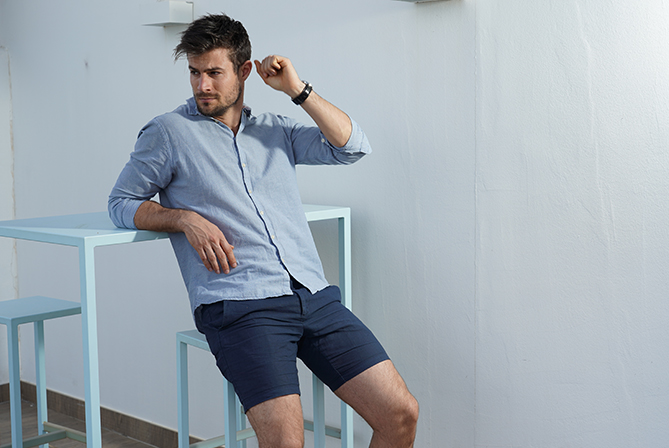
Comfort in clothing isn’t random. It’s biology, physics, and textile engineering working together. If a shirt feels restrictive, itchy, heavy, or suffocating, there’s a measurable reason behind it. For both men’s and women’s clothing, real comfort comes from understanding how fabric interacts with the body.
Let’s break it down.
1. Fabric and Skin Interaction
Your skin is your largest organ. It reacts immediately to friction, moisture, and temperature.
Natural fibers like long-staple cotton allow airflow and absorb moisture without trapping heat. That’s why well-made men’s shirts and women’s blouses in breathable cotton feel lighter and less irritating. Linen increases ventilation even further but sacrifices smoothness.
Synthetic blends can improve stretch and durability, but low-quality polyester traps heat and moisture. The result? Sweat retention and discomfort. High-performance blends, however, are engineered for moisture-wicking—pulling sweat away from the body so it evaporates faster.
Comfort starts with breathability and moisture control. Without those, nothing else matters.
2. Fit and Biomechanics
Clothing moves with your body—or it fights against it.
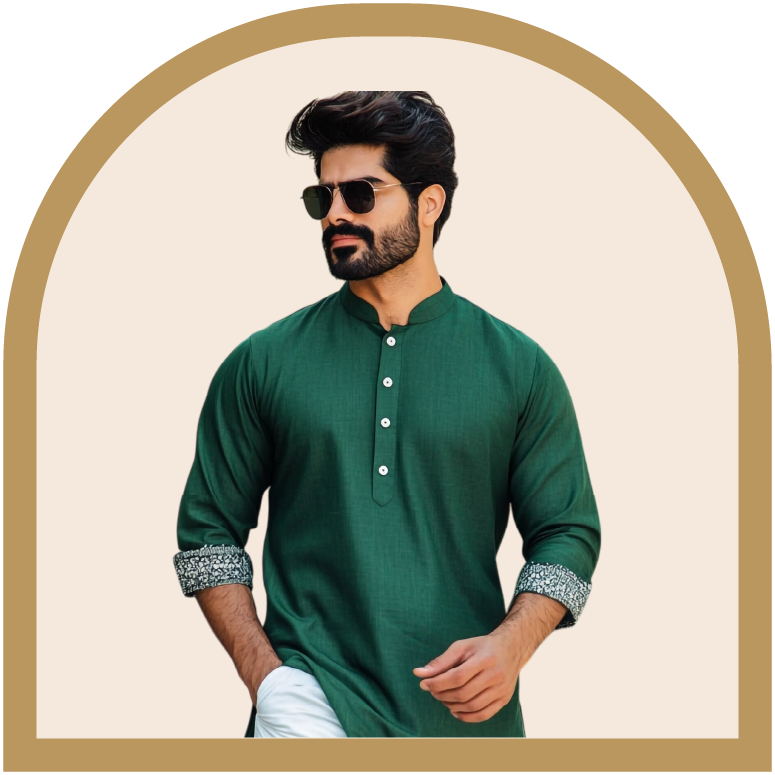
For men’s shirts and trousers, the shoulder seam must align precisely with the shoulder joint. If it drops too low or pulls upward, movement becomes restricted. Sleeves must follow the natural angle of the arms (sleeve pitch). Poor alignment causes twisting and tension.
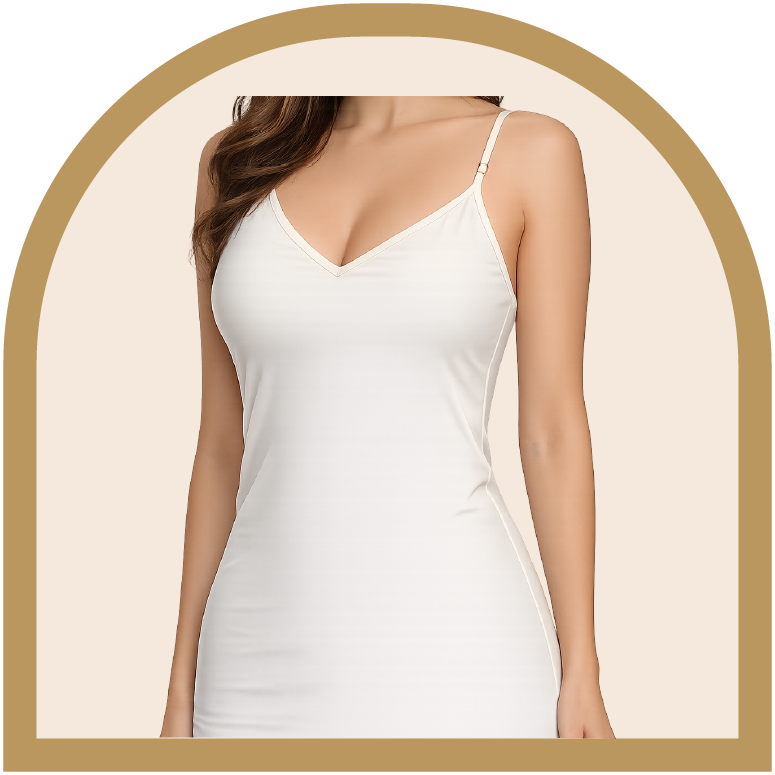
For women’s clothing, biomechanics become even more critical. Bust shaping, waist contouring, and hip allowance must accommodate natural curves without strain. If a blouse pulls at the buttons or a dress tightens when sitting, the garment wasn’t engineered with real movement in mind.
Comfortable clothing allows full range of motion without visible stress lines.
3. Weight and Thermal Regulation
Fabric weight directly affects comfort.
Heavier materials provide structure but can feel restrictive in warm climates. Lightweight fabrics increase airflow but may lack durability. The key is balance—choosing material weight appropriate for climate and purpose.
Men’s formal shirts in high-thread-count cotton regulate temperature better than stiff synthetic fabrics. Women’s dresses and tops made from breathable weaves reduce overheating during extended wear.
Your body constantly regulates temperature. Clothing should support that process, not disrupt it.
4. Stretch and Recovery
Stretch is not about tightness—it’s about adaptability.
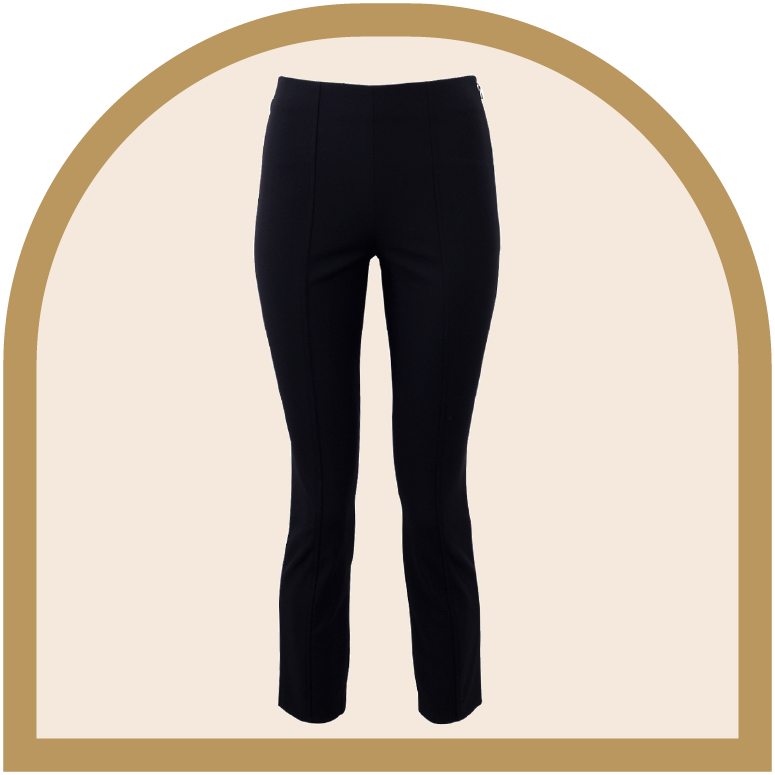
Elastane or spandex in small percentages allows shirts and trousers to flex during sitting, bending, or reaching. But quality matters. Poor recovery leads to sagging elbows, stretched collars, and misshapen waistlines.
For both men’s and women’s garments, a small percentage of controlled stretch increases comfort without compromising structure.
5. Seams and Construction
Comfort often fails at the seams.
Flat seams reduce friction against the skin. Poor stitching creates pressure points, especially under arms or alongside seams. Tags placed carelessly can irritate the neck. High-quality garments minimize internal bulk and reinforce stress areas without adding stiffness.